If you have ever been told to “stretch it out” and found it barely changed anything, muscle energy technique, or MET, is a different way to approach the same goal. It is one of the techniques I use within remedial massage at Body Motion Therapy, and it is a hands-on method where you take an active part.
What is muscle energy technique?
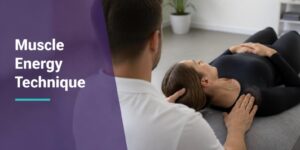
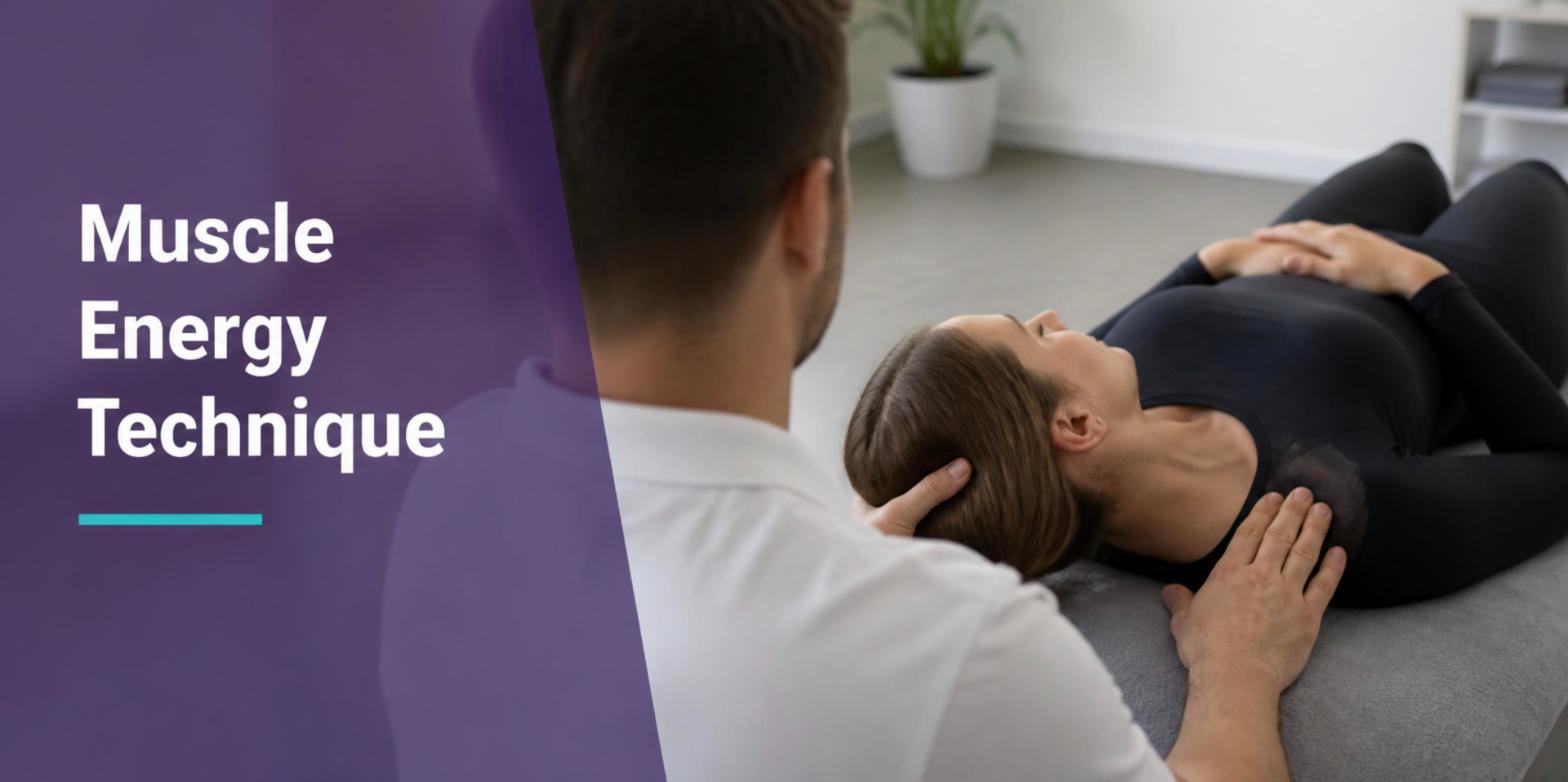
MET is a manual therapy technique that uses your own gentle muscle contraction. I position the joint at a comfortable point, you contract the muscle lightly against my resistance for a few seconds, then you relax and I guide the area into a slightly greater range. I usually repeat this a few times. It is not a forceful stretch, and you stay in control the whole time.
Why use it to work on range of motion?
A joint can feel stiff because the surrounding muscles are guarding, tight or simply tolerating less stretch than they could. A 2019 systematic review found that MET can be used to increase joint range of motion when a functional limitation is present. The same review notes that research on the best way to apply it is still limited, and the improvement in flexibility is commonly attributed to people tolerating more stretch rather than the muscle becoming physically longer. So I describe MET as one tool to support movement, not a guaranteed result.
What does it feel like?
Gentle. The contraction is a light push rather than a hard effort, held for a few seconds. You should not feel pain. If anything is uncomfortable, tell me and I will change the position or the effort. Mild tiredness in the muscle afterwards is normal.
Where MET fits in a remedial massage session
I rarely use MET on its own. A session usually starts with a conversation and a movement check, then hands-on work that may include soft tissue techniques, MET, and simple movement advice to take home. I choose techniques based on what I find, so not everyone needs MET. Other options such as dry needling or my Fascial Counterstrain approach may suit some people instead, or alongside it. You can read more about remedial massage here.
Who might ask about MET?
People who feel stiff after training, desk workers with limited neck or shoulder movement, and people returning to activity after a period of rest often ask about it. Whether MET suits you depends on your history and what I find on assessment.
When I adjust or avoid it
I adjust or avoid MET with a recent fracture, acute injury, recent surgery without clearance, or when contracting a muscle is painful. Please tell me about your history so I can tailor the session.
Common questions
Does MET hurt?
It should not. The contraction is light and I adjust if anything is uncomfortable.
How many sessions will I need?
I cannot predict that before assessing you, and responses vary from person to person.
Is MET the same as stretching?
It is related, but you actively contract the muscle before the stretch.
Thinking of booking?
If you would like to find out whether MET could be part of your treatment, you can book an appointment online or call 0412 020 330. Results vary from person to person, and suitability is assessed individually.
Body Motion Therapy, 5B 195 Somerton Road, Coolaroo VIC 3048. Solo practice, Georges Adam.