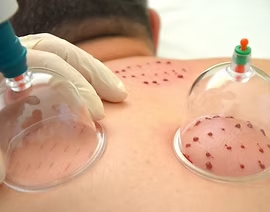
Hijama therapy is often described as a way to “remove toxins,” but this explanation can be misleading. Many people seek Hijama therapy expecting a detox effect, especially when dealing with pain, fatigue, or a heavy, tight feeling in the body. The real question is not whether Hijama therapy removes toxins, but what hijama actually involves.
What Type of Problem Is This?
Hijama is a traditional practice, and people describe it in different ways. Hijama is a traditional practice, and people describe it in different ways.
Thinking of it as removing “toxins” is not accurate. People often describe an area as feeling tight or heavy before they try it. Hijama is a traditional practice, and what suits one person may not suit another.
Why Does This Keep Coming Back?
Tightness and heaviness can come and go for many reasons. People often seek it for areas under repeated load, such as the upper back, neck or lower back.
People describe things like:
- An area feels tight
- An area feels heavy
- An area feels sensitive
- Movement feels restricted or uncomfortable
The body is not “toxic”. Hijama is a traditional practice, and what suits one person may not suit another.
How I Approach Hijama Therapy
Identify the driver:
Assessment comes first, rather than applying Hijama randomly. This includes palpation for tissue density, temperature changes, and sensitivity, along with observing how different areas respond to pressure and movement. Not every painful area is the main driver.
Treat the source:
Hijama therapy is then applied in a controlled and targeted way. It starts with suction, followed by very superficial micro-incisions and a second suction phase to remove a small amount of capillary-level fluid. The incisions are very superficial and do not reach deeper tissues.
After the session:
I explain what to expect afterwards and what to do between visits.
What Makes This Case Different?
Hijama is not the right fit for every kind of pain or tightness. Some cases are driven by joint restriction, nerve sensitivity, or deeper muscular dysfunction. Hijama is not the right fit for every case, which is why assessment comes first.
This is why two people with similar symptoms may respond very differently to the same treatment.
What Can You Do?
- Avoid long periods in one position
- Stay hydrated
- Keep moving regularly
- Seek assessment if areas feel persistently heavy or “stuck”
Is hijama right for you?
Hijama therapy does not “remove toxins” in the way it is often described. It is a traditional practice, offered here in a clean clinical setting. If you are dealing with persistent tightness or heaviness that does not respond to other approaches, a proper assessment can determine whether Hijama therapy is the right fit for your case.
If you are considering hijama (wet cupping), the service page covers cost (45 minutes, $110), what a session involves and who it may not suit. See hours and directions or book online.