Sciatica Treatment Melbourne: Why Your Nerve Pain Keeps Coming Back
Intro
Sciatica treatment Melbourne patients often seek starts with the same story: pain down the leg, temporary relief, then it returns again weeks later. You stretch, rest, maybe even get treatment—but the nerve pain keeps coming back. The reason is simple: most care focuses on the irritated nerve, not the structure driving it. Understanding what is actually compressing or sensitising the nerve is what changes outcomes.
What Type of Problem Is This?
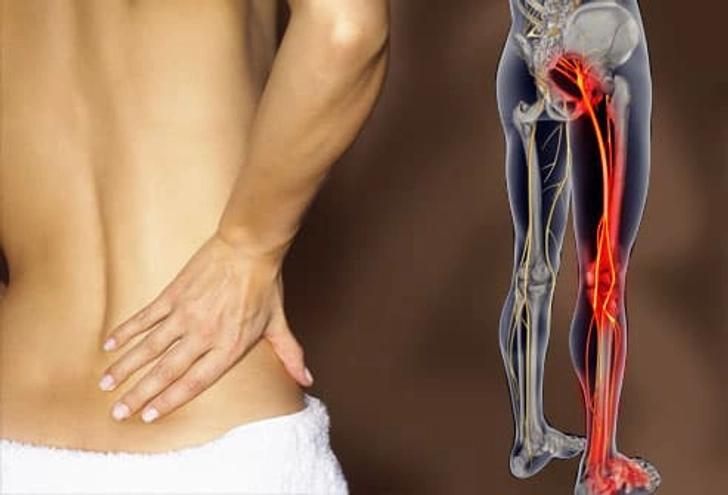
Sciatica is a neural presentation, but the driver is rarely the nerve itself. In most cases, the sciatic nerve becomes irritated because surrounding tissues—often deep hip rotators, gluteal fascia, or lumbar stabilisers—create mechanical pressure or tension along its pathway. This can happen at multiple points, including the lower back, pelvis, or deep gluteal region.
What makes this complex is that the nerve is highly sensitive to sustained pressure and chemical irritation. Even small changes in local tissue tension or circulation can trigger pain that travels down the leg. So while the symptoms feel like a nerve issue, the source is usually a local mechanical problem affecting that nerve.
Why Does This Keep Coming Back?
Recurring sciatica often comes from a load–tension mismatch rather than a one-time injury. For example, prolonged sitting, asymmetrical standing, or repetitive loading patterns can keep certain muscles in a shortened or protective state. Over time, this creates persistent compression or reduced glide around the nerve.
The key issue is that the body adapts. The surrounding tissues stiffen, circulation becomes less efficient, and the nerve remains in a sensitised state. If the underlying tension pattern is not identified and released, the nerve will continue to react—even if symptoms temporarily settle. This is why many people experience cycles of relief and recurrence.
How Do We Approach Sciatica Treatment Melbourne?
Identify the driver:
Assessment focuses on locating where the nerve is being influenced. This involves movement testing, palpation of specific tender points, and positional changes to see where symptoms ease or worsen. These findings help pinpoint whether the driver is coming from the lumbar spine, pelvis, or deep gluteal structures. The goal is not to chase pain, but to identify the structure creating it.
Treat the source:
Once the driver is identified, treatment focuses on reducing the exact tension affecting the nerve. This is done using precise, gentle positioning that places the involved tissues into a state of ease, allowing the body to switch off protective guarding and settle local irritation. Because the technique works with the nervous system rather than against it, symptoms can ease without aggravation. This allows the structures around the nerve to decompress naturally instead of being forced to change..
Restore movement:
As tension reduces, the nerve regains its ability to glide and tolerate load. Movement becomes more comfortable, and the system begins to normalise. This stage is not about aggressive strengthening early on, but about restoring natural, pain-free motion so the area no longer re-irritates under everyday load.
What Makes This Case Different?
Not all sciatica is the same. In one patient, the driver may be deep gluteal compression; in another, it may be lumbar joint restriction or fascial tension through the pelvis. This is why generic stretching or strengthening programs often fail—because they are not matched to the actual cause. Each case requires a different clinical pathway based on what is found during assessment.
What Can You Do?
- Avoid prolonged static positions, especially sitting
- Change posture regularly throughout the day
- Reduce aggressive stretching if it worsens nerve pain
- Seek assessment early if symptoms are recurring
Conclusion
Sciatica treatment Melbourne patients need is not about chasing nerve pain—it is about identifying what is driving it. When the source of tension is addressed, the nerve can settle and the cycle can finally break. If your symptoms keep returning, it is likely something deeper has been missed. A targeted assessment can help uncover the real cause and guide the right treatment approach.
References
- Fritz K. Physiology, Counterstrain and Facilitated Positional Release. StatPearls Publishing, 2023.
- Koes BW et al. Diagnosis and treatment of sciatica. BMJ. 2007.
- Stafford MA et al. Sciatica: a review of history, epidemiology, pathogenesis, and the role of epidural steroid injection. Br J Anaesth. 2007.