Intro
Shoulder pain treatment Melbourne patients seek often starts after weeks or months of discomfort that just won’t fully resolve. You rest, stretch, maybe even strengthen—but the pain keeps returning with certain movements. The issue is rarely just “shoulder weakness”—it’s usually a deeper mechanical driver that hasn’t been identified.
What Type of Problem Is This?
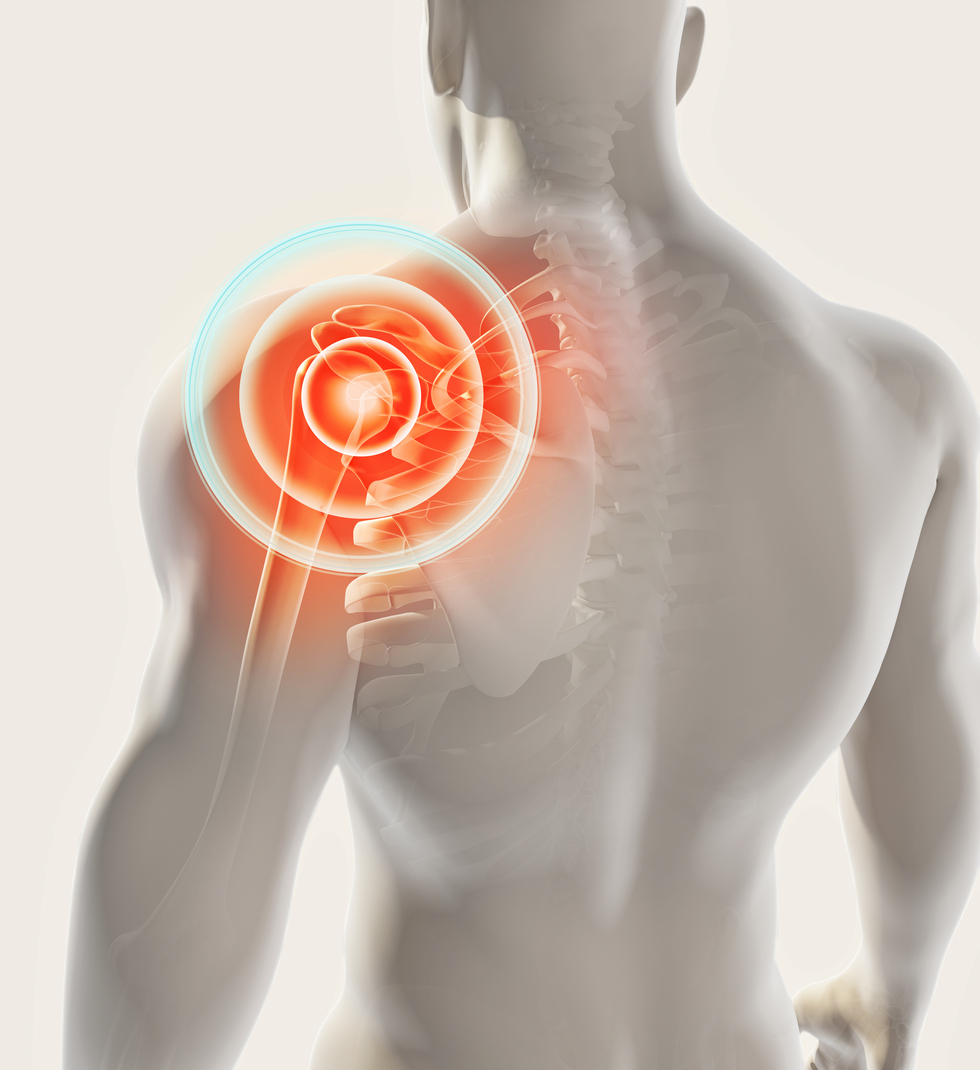
Most recurring shoulder pain is a load and biomechanics-driven problem, not just a local tissue injury. The shoulder is designed for mobility, which means it relies heavily on coordination between the shoulder joint, shoulder blade, and upper rib cage.
When this coordination breaks down—often due to postural load, repetitive overhead activity, or prolonged sitting—the tissues around the shoulder begin to compensate. This creates abnormal tension through muscles like the rotator cuff and surrounding fascia. Over time, these structures become overloaded, sensitive, and reactive to movement.
Why Does This Keep Coming Back?
Recurring shoulder pain often persists because the body adapts to inefficient movement patterns. For example, if the shoulder blade is not moving well on the rib cage, the rotator cuff has to work harder to stabilise the joint. This leads to fatigue, tension, and eventually irritation.
The key problem is that these patterns don’t switch off on their own. Even if symptoms settle temporarily, the same movement fault reloads the same tissues again and again. This is why pain often returns with lifting, reaching, or sleeping on that side.
How Do We Approach Shoulder Pain Treatment Melbourne?
Identify the driver:
Assessment focuses on how the shoulder moves as part of a system. This includes observing shoulder blade control, rib cage movement, and how the arm moves under load. Palpation and positional testing help locate specific areas of tension that are not tolerating movement well. The goal is to find what is overworking—not just what is painful.
Treat the source:
Treatment focuses on reducing the exact tension pattern that is overloading the shoulder. Using precise, gentle positioning, the involved tissues are placed into a state of ease, allowing protective guarding to settle and local irritation to reduce. This approach works with the body’s nervous system, rather than forcing change into a restricted area. As tension reduces, the load on the shoulder joint decreases.
Restore movement:
Once the underlying tension settles, the shoulder can begin to move more freely. This allows better coordination between the shoulder blade and arm, reducing the strain on local tissues. Movement becomes smoother, more efficient, and less likely to trigger pain under everyday load.
What Makes This Case Different?
Shoulder pain is not one condition. In some cases, the driver is poor shoulder blade control; in others, it may come from rib cage stiffness or overload through the upper back. This is why generic exercises or isolated strengthening often fail—they don’t match the actual cause of the problem. Each case requires a specific approach based on how that individual is moving and loading their shoulder.
What Can You Do?
- Avoid repeatedly pushing into painful overhead movements
- Change positions regularly if working at a desk
- Be cautious with aggressive stretching if it reproduces pain
- Get assessed if pain keeps returning with the same activity
Conclusion
Shoulder pain treatment Melbourne patients need is not just about strengthening or rest—it’s about identifying why the shoulder is being overloaded in the first place. When the true driver is addressed, the shoulder can settle, and the cycle of recurring pain can finally stop. If your pain keeps coming back, it’s likely the real cause hasn’t been found yet.
References
- Lewis JS. Rotator cuff related shoulder pain: assessment, management and uncertainties. Manual Therapy. 2016.
- Hanratty CE et al. The effectiveness of physiotherapy exercises in subacromial impingement syndrome: a systematic review. Br J Sports Med. 2012.
- Ludewig PM, Braman JP. Shoulder impingement: biomechanical considerations. J Orthop Sports Phys Ther. 2011.